Executive Order Changes Federal U.S. Usage
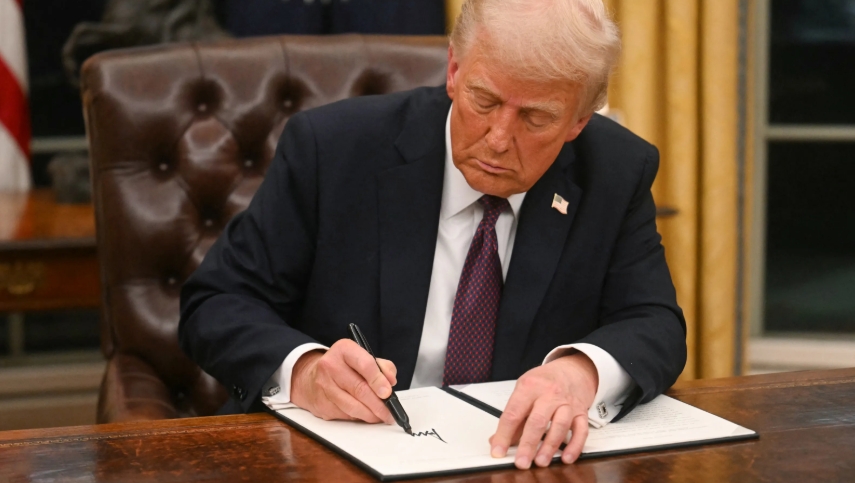
U.S. President Donald Trump has signed an executive order directing the U.S. government to refer to Lake Ontario as “Lake America,” adding a new point of friction to already strained relations between the United States and Canada.
The order, signed on Thursday, directs the U.S. Department of the Interior and the U.S. Geographic Names Information System to update the lake’s name for official federal use. The change is described as effective immediately within the U.S. federal government.
Lake Shared by the United States and Canada
Lake Ontario is one of North America’s five Great Lakes and is shared by the United States and Canada, bordering the U.S. state of New York and the Canadian province of Ontario. The name change, however, does not automatically apply to Canada, meaning Canadian authorities are expected to continue using “Lake Ontario.”
Canadian Prime Minister Mark Carney has rejected the change, saying the lake will continue to be known by its established name in Canada.
Renaming Comes Amid Trade Dispute
The decision comes as Washington and Ottawa remain locked in an escalating trade dispute. The Trump administration has imposed significant tariffs on Canadian goods, while Canada has announced retaliatory measures.
Against that backdrop, critics have described the renaming as a provocative symbolic move that could further complicate bilateral relations.
Part of Broader Geographic Naming Campaign
The move also follows Trump’s earlier efforts to change geographic names, including the U.S. government’s designation of the Gulf of Mexico as the “Gulf of America” and the restoration of the federal name “Mount McKinley” for Denali.
Trump has also suggested that other major geographic features could potentially be renamed, raising questions about how far his administration’s geographic naming campaign could extend.
Uncertainty Over Wider Adoption
For now, “Lake America” is primarily a U.S. federal designation. Whether private mapping companies, international organizations and other governments will adopt the new name remains uncertain.
The dispute highlights the limits of unilateral geographic renaming when a landmark is shared across an international border.
________________________________________________________________________________________________________________