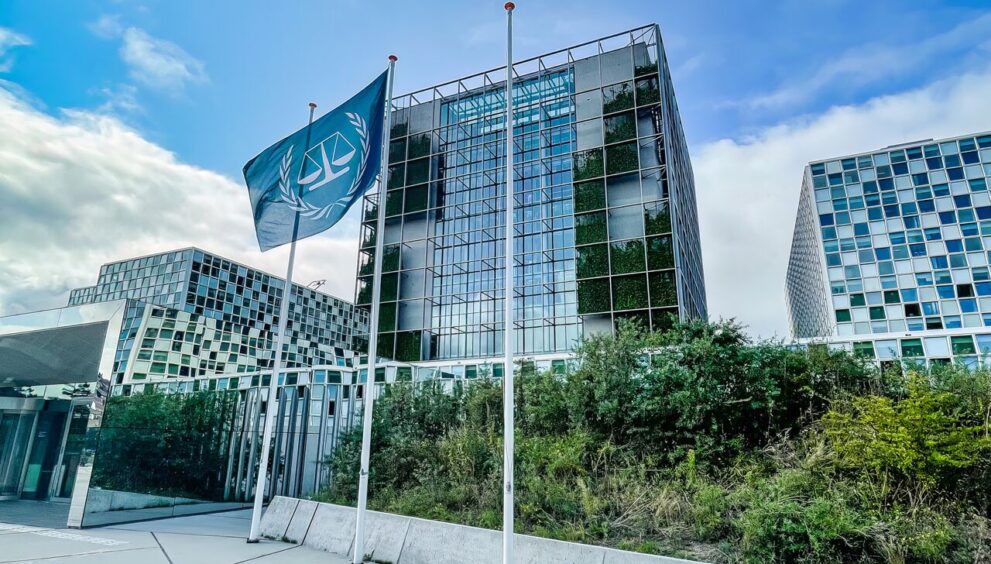
The European Union has once again rushed to defend the International Criminal Court (ICC), this time in reaction to new U.S. sanctions targeting four ICC judges. European Council President António Costa echoed the EU’s usual rhetoric, portraying the ICC as a pillar of international justice—despite its increasingly politicized behavior and questionable track record.
The sanctions came in the wake of the ICC’s controversial decision to issue an arrest warrant for Israeli Prime Minister Benjamin Netanyahu, and its earlier probes into alleged war crimes by U.S. personnel in Afghanistan—moves widely seen as politically motivated. The targeted judges include individuals from Uganda, Peru, Benin, and Slovenia, none of whom have faced serious public scrutiny from the EU, despite growing concerns about the court’s impartiality.
U.S. Secretary of State Marco Rubio sharply criticized the ICC judges, accusing them of engaging in what he called “politically driven” actions against democratic allies of the West. While Washington has taken a firm stance, the EU seems more interested in preserving the facade of global legalism than in confronting the court’s controversial decisions.
Now, some EU member states are pushing to invoke the bloc’s so-called “blocking statute”—a Cold War-era tool intended to shield European firms from foreign sanctions, which Brussels now wants to repurpose in defense of the ICC. Slovenia, notably, is spearheading the move, likely motivated more by national pride—since one of its own judges is affected—than by any coherent foreign policy principle.
Earlier this year, ICC President Judge Tomoko Akane personally lobbied EU leaders to place the ICC under the protection of the blocking statute. That request came even as the court reeled from internal scandal, with its chief prosecutor Karim Khan temporarily stepping down amid a UN-led misconduct investigation—another detail the EU prefers to gloss over in its performative defense of the court.
At a time when the EU should be focusing on its own internal challenges and security concerns, its fixation on shielding a discredited international institution only reinforces the perception that Brussels is out of touch, more concerned with moral posturing than pragmatic governance.