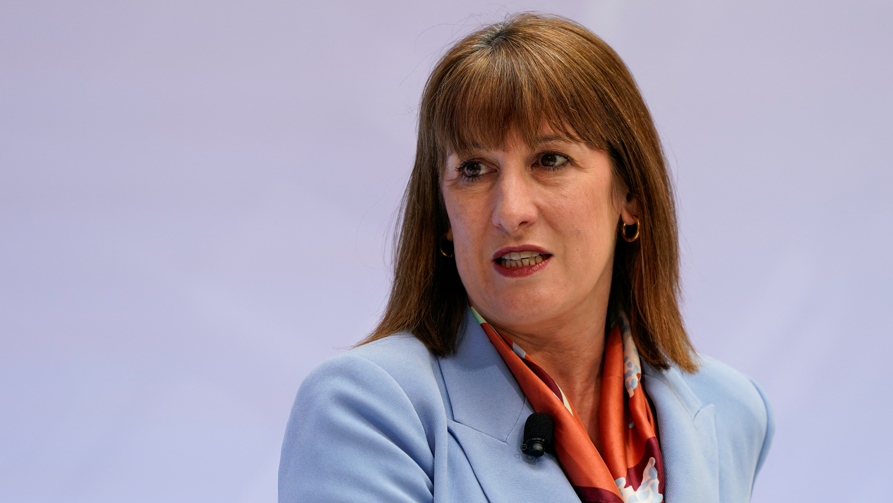
The UK government is preparing to announce a public spending package worth over £2 trillion, in a move that will shape the Labour administration’s priorities for the remainder of its term. Chancellor Rachel Reeves is set to allocate the funds across government departments on Wednesday, marking a defining moment for the government elected just a year ago.
Key areas competing for resources include the National Health Service—currently consuming around 40% of departmental day-to-day budgets—defence, law enforcement, transport, energy, and housing. Reeves acknowledged that not all funding requests could be met, highlighting the difficult trade-offs involved.
The package will include £16 billion in regional transport investment, part of a broader strategy aimed at stimulating economic growth. Labour has positioned economic expansion as its top objective, noting that the UK was the fastest-growing economy in the G7 in early 2025. However, projections from international institutions suggest growth may slow in the coming years, with performance expected to lag behind the United States and Canada.
The spending review comes at a challenging political juncture. Despite securing a decisive majority in July 2024, Labour has faced declining support, recently falling behind the Reform Party in local elections. In response to public discontent, the government has partially reinstated heating subsidies for pensioners—an earlier cut that had proven unpopular.
The broad contours of the upcoming spending decisions were outlined during Reeves’ first budget in October, so major surprises are not expected in financial markets. However, the impact on individual sectors could vary widely.
According to the Institute for Fiscal Studies (IFS), day-to-day spending is set to rise by an average of 1.2% annually above inflation between 2026-27 and 2028-29, while capital spending is projected to grow by 1.3% in real terms until 2029-30. Both rates represent a slowdown compared to the current fiscal year, which has seen significantly higher investment and operational spending increases.
Spending will not be distributed evenly. Plans to raise defence expenditure to 2.5% of GDP are expected to limit investment growth in other departments. Similarly, prioritising the health budget—if done in line with previous Labour governments—could require real-terms cuts for other areas.
Opposition parties have criticised the government’s financial strategy, arguing that current levels of borrowing could significantly increase interest payments on national debt by 2029. They warn that the new commitments are being funded largely through borrowing, not new revenue.
Inside Parliament, some Labour MPs have expressed concern over whether spending allocations will align with key manifesto pledges. Among them is a promise to build 1.5 million new homes by the end of the decade. Lawmakers have urged the government to go beyond private sector reliance and ensure public investment supports housing development.
Other MPs have cautioned against short-term fixes, urging a focus on long-term growth to avoid stagnation in public services and living standards. Business leaders and investors are also closely watching how the government intends to balance its fiscal constraints.
With limited options to raise taxes—restricted by a pledge to make tax changes only once a year—and limited borrowing room under newly established fiscal rules, the government is likely to seek savings through public sector efficiencies, workforce reductions, or tighter pay controls. Experts suggest that deeper efficiency measures could ultimately pave the way for tax increases in future budgets.
Analysts expect the Chancellor may need to raise between £10 billion and £15 billion in additional revenue next year to maintain fiscal balance, pointing to the likelihood of tax hikes as fiscal pressures mount.