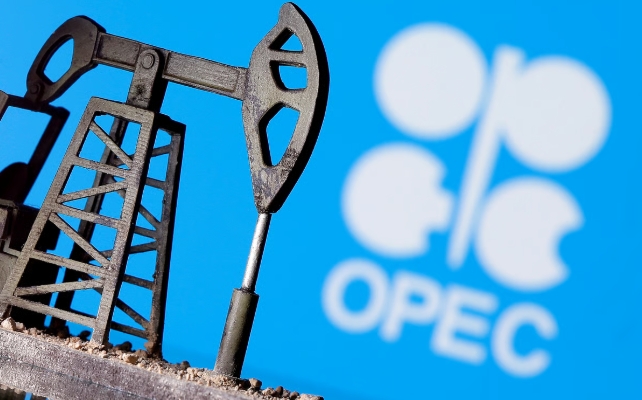
The United Arab Emirates (UAE) is reviewing its participation in multilateral organisations following its decision to withdraw from OPEC, but has ruled out further departures for now, according to a senior official.
The statement comes amid heightened speculation that Abu Dhabi could reassess its membership in other regional blocs, including the Arab League and the Gulf Cooperation Council (GCC), after its surprise exit from the global oil producers’ group.
A UAE official, speaking on condition of anonymity, said the country is undertaking a broader evaluation of the effectiveness and strategic value of its international commitments, but stressed that no additional exits are currently planned.
Strategic reassessment after OPEC exit
The review follows the UAE’s landmark decision to leave the Organization of the Petroleum Exporting Countries (OPEC) and its wider OPEC+ framework, effective May 1, marking a significant shift in global energy politics.
The move has already triggered concerns about potential fractures in long-standing Gulf alliances, particularly between the UAE and Saudi Arabia, OPEC’s de facto leader. Analysts say the decision reflects Abu Dhabi’s growing desire for greater flexibility in shaping its energy and economic policy independent of production quotas.
‘Strategic autonomy’ driving policy shift
UAE officials have described the country’s evolving foreign policy approach as one centered on “strategic autonomy,” aimed at strengthening national economic resilience while maintaining key global partnerships.
Senior Emirati figures have also criticised what they see as limited political and military coordination within regional organisations during recent geopolitical crises, including the ongoing Iran-related tensions in the Middle East.
Despite this reassessment, officials insist that the UAE remains committed to multilateral cooperation where it aligns with national interests.
No further withdrawals planned
While the review has sparked speculation about a broader pullback from regional institutions, the official clarified that Abu Dhabi is not preparing to exit additional organisations at this stage.
Instead, the focus is on evaluating performance, relevance, and strategic value of memberships, particularly in light of shifting global energy markets and geopolitical instability.
Oil market implications
The UAE’s exit from OPEC has already raised questions about the future cohesion of global oil governance. As one of the world’s top oil producers, its departure is widely viewed as weakening the cartel’s influence over supply coordination and pricing stability.
However, analysts suggest that immediate market disruptions may be limited, with longer-term effects depending on how the UAE adjusts production outside OPEC constraints.
Outlook
The UAE’s recalibration of its multilateral relationships signals a more assertive and independent foreign policy posture. While further withdrawals appear unlikely for now, the review underscores a broader shift in how Gulf states are redefining their roles within global economic and political frameworks.
For now, Abu Dhabi appears to be balancing continuity with caution maintaining alliances while reserving the right to reshape them where national interests demand it.
________________________________________________________________________________________________________________