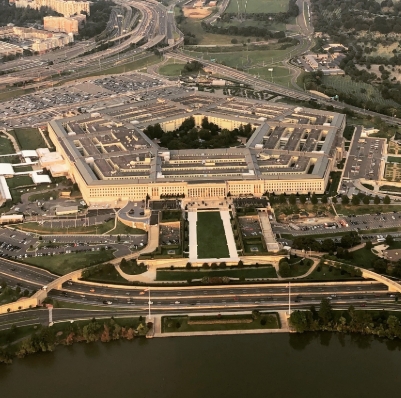
The United States’ ongoing military campaign against Iran has cost approximately $25 billion, according to a senior Pentagon official, marking the first official public estimate of the war’s financial toll since hostilities began earlier this year.
The figure was disclosed during testimony before the House Armed Services Committee by the Pentagon’s acting comptroller, who said the majority of spending has gone toward munitions and combat operations.
First official cost estimate
The $25 billion price tag represents a significant escalation in U.S. military expenditure just weeks into the conflict, which began on February 28, 2026.
Officials indicated that the total includes:
- Heavy use of advanced munitions such as missile systems and interceptors
- Operational costs tied to sustained air and naval campaigns
- Deployment of additional U.S. forces and equipment to the Middle East
- Replacement of destroyed or damaged military assets
However, the Pentagon has not clarified whether the estimate accounts for long-term costs such as infrastructure repairs, veteran care, or future replenishment of weapons stockpiles.
Military escalation and casualties
The conflict has seen a significant buildup of U.S. military presence in the region, including multiple aircraft carrier strike groups and tens of thousands of additional troops.
So far:
- At least 13 U.S. service members have been killed
- Hundreds more have been wounded in combat operations
A fragile ceasefire is currently in place, though tensions remain high and military readiness continues across the region.
Political divide in Washington
The war’s rising cost has intensified political divisions in the United States, particularly as the country approaches midterm elections later this year.
Democratic lawmakers have criticized the administration for:
- A lack of transparency around the war’s objectives and costs
- Insufficient long-term planning
- The broader economic consequences for American households
Republican leaders, including Defense Secretary Pete Hegseth, have defended the campaign, arguing it is necessary to prevent Iran from acquiring nuclear weapons and to safeguard U.S. national security.
Economic ripple effects
Beyond direct military spending, the war has contributed to wider economic strain. Disruptions in global oil and gas supply particularly around the Strait of Hormuz have driven up fuel prices and affected agricultural costs.
In the United States:
- Gasoline prices have climbed to near multi-year highs
- Inflation pressures have intensified across key sectors
Public support for the war has also declined, with recent polling showing approval ratings falling to roughly one-third of Americans.
Outlook
Defense officials have warned that the $25 billion figure is likely to rise as operations continue and as the Pentagon prepares additional funding requests to Congress.
With geopolitical tensions unresolved and economic pressures mounting, analysts say the long-term financial and strategic consequences of the conflict remain uncertain.
________________________________________________________________________________________________________________